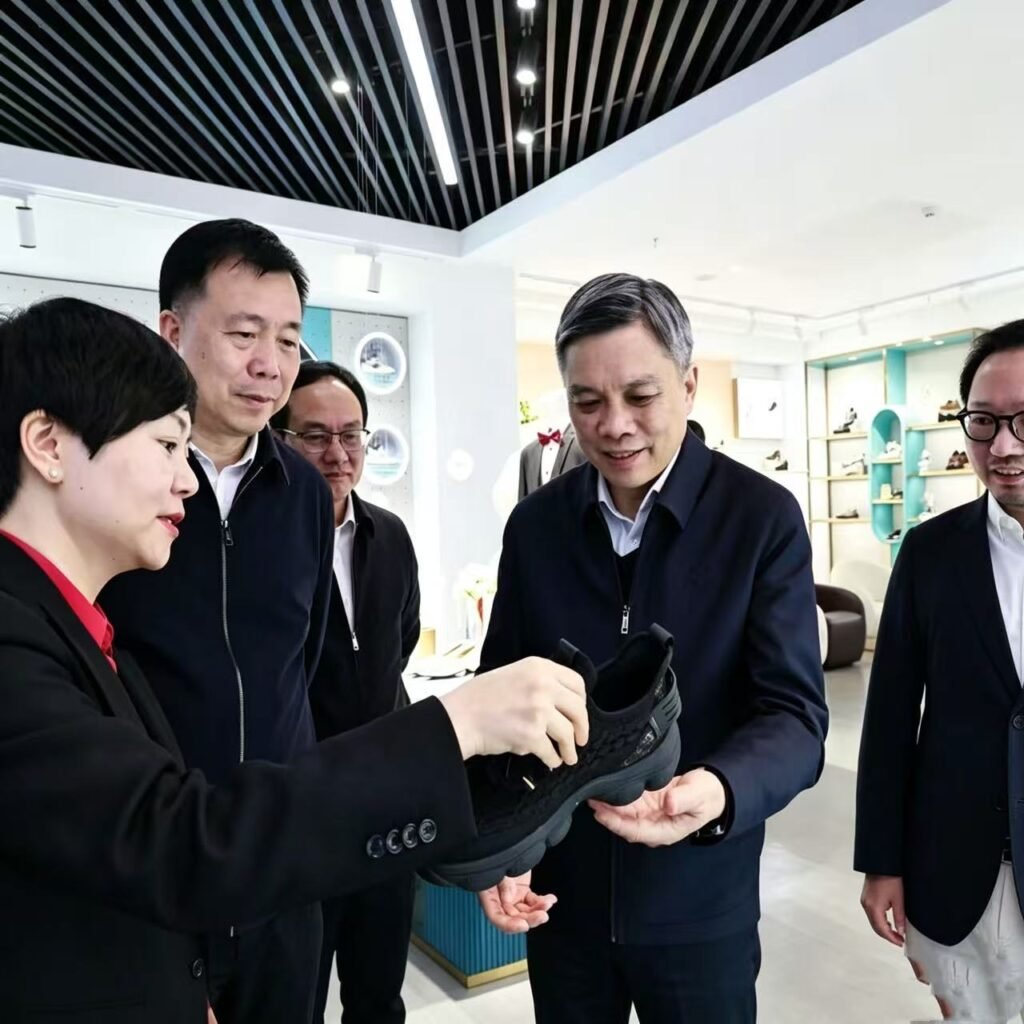
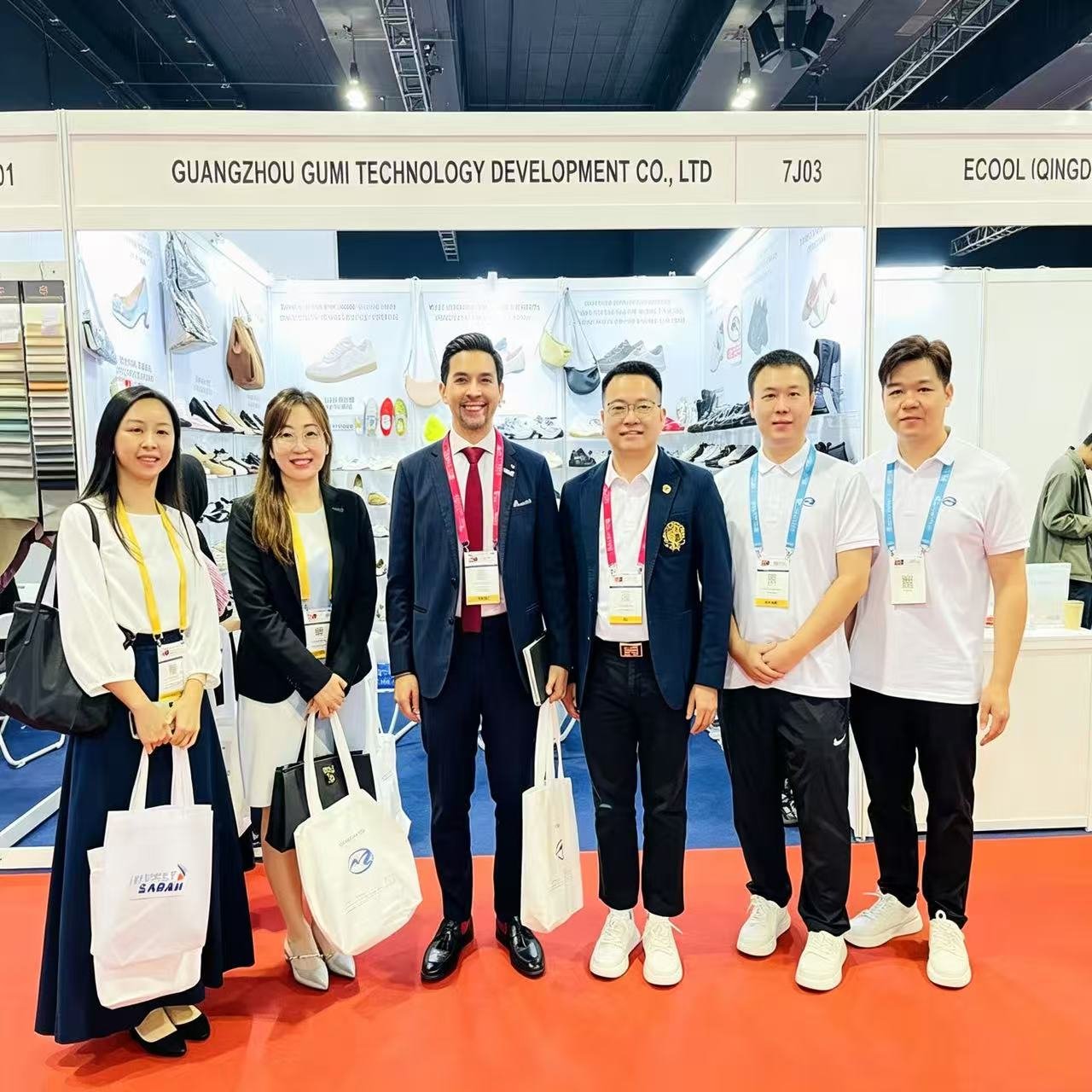
The global footwear industry continues steady growth in 2026, with a market scale exceeding USD 400 billion and maintaining a stable annual growth rate. Driven by evolving consumer lifestyles, upgraded functional demands, sustainable policies, and digital supply chain transformation, the market is undergoing obvious structural changes. For footwear suppliers, retailers, and brand operators, grasping the latest global trends in men’s shoes, women’s shoes, and winter snow boots is the core key to occupying market share and optimizing product layouts. As a professional footwear manufacturer, GUMI Footwear summarizes the most valuable global footwear trends in 2026 for global buyers and cooperative partners.
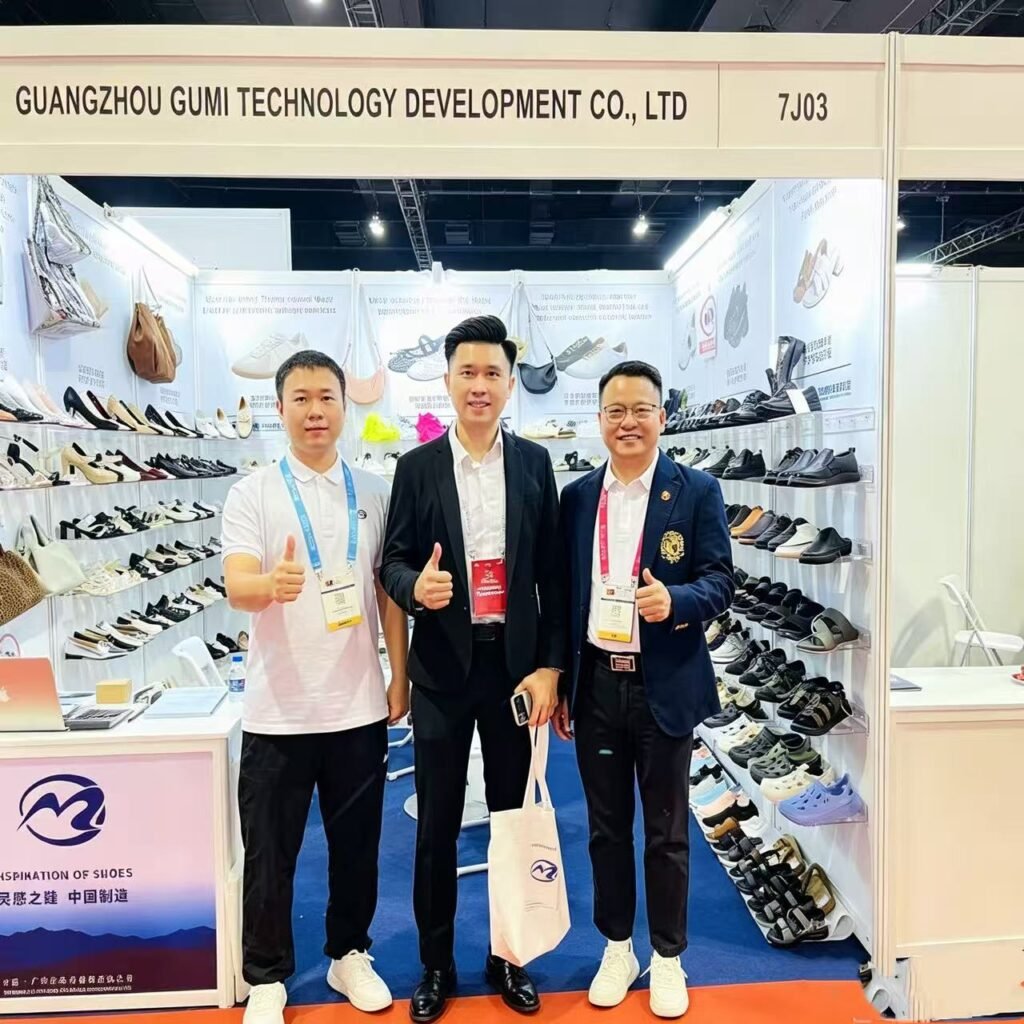
1. Functional Hybrid Footwear Becomes Mainstream
Single-scenario footwear is gradually losing market competitiveness, while multi-scenario hybrid functional shoes have become the hottest trend in the global consumer market. Modern consumers pursue “one shoe for multiple uses”, requiring footwear to seamlessly switch among commuting, leisure, daily sports, and outdoor scenarios.
In men’s and women’s casual footwear, the boundary between sneakers and formal casual shoes continues to blur. Lightweight, breathable, and versatile designs are favored by mainstream consumers. Different from traditional heavy single-functional shoes, modern daily shoes focus onlightweight load reduction, all-day comfort, and easy maintenance, perfectly matching the fast-paced urban lifestyle.
In the winter snow boot segment, functional hybridization is also prominent. New-generation snow boots no longer only focus on warmth, but integrate water resistance, anti-slip safety, daily aesthetics, and outdoor durability. They can be used for daily commuting, snowy outdoor travel, and home warmth, greatly improving product practicality and sales scenarios.
2. Comfort & Ergonomics Are Non-negotiable Standards
Global consumers’ demand for footwear has shifted from basic wearing and appearance to long-term ergonomic comfort. Fatigue relief, foot pressure dispersion, and healthy wearing experience have become core purchasing indicators for end customers and core selection standards for B2B buyers.
Men’s and women’s daily shoes with arch support, shock-absorbing cushioning, and breathable deodorant functions maintain stable global demand. Especially for office workers and long-time walking groups, all-day wearing comfort directly determines product repurchase rates and market word-of-mouth.
In high-latitude cold region markets, the comfort upgrade of snow boots is more obvious. Consumers prefer plush lining with soft, skin-friendly, non-squeezing and constant-temperature locking performance, abandoning bulky, stiff and poor-breathability traditional winter boots. Comfort-driven product iteration has become an irreversible global industry trend.
3. Sustainable & Eco-friendly Production Is Popularized Globally
With the continuous improvement of global environmental protection policies and public environmental awareness, sustainable footwear manufacturing has become a necessary trend for brand upgrading and market access. More European, American and Southeast Asian brands and retailers prioritize suppliers with eco-friendly production capabilities.
Eco-friendly materials, recyclable components, odor-free environmentally friendly glue, and low-carbon production processes have gradually become industry standard configurations. Footwear products with non-toxic, harmless and skin-friendly properties are more adaptable to global market certification and consumer health needs.
GUMI Footwear keeps up with global sustainable trends, strictly controlling raw material selection and production links, adopting environmentally friendly and safe accessories, and providing compliant and reliable eco-friendly footwear products for global brand customization and wholesale customers.
4. Small-batch Customization & Flexible Supply Chain Become B2B Hotspots
The traditional large-batch and single-style wholesale model is gradually outdated. In 2026, the global footwear B2B market presents the trend of small batches, multiple styles, and rapid iteration. Retail buyers prefer flexible in-season bulk orders and personalized customized cooperation to avoid inventory backlog risks.
Consumers’ pursuit of personalized styles and exclusive designs promotes the vigorous development of footwear OEM/ODM customization business. Customized logos, exclusive color matching, scenario-based functional upgrades, and personalized packaging have become mainstream value-added services for footwear suppliers.
As a flexible and efficient footwear manufacturer, GUMI supports small-batch wholesale, personalized customization, style development, and material adjustment for men’s shoes, women’s shoes and snow boots, adapting to the flexible procurement needs of global cross-border sellers, physical stores and emerging brands.
5. Seasonal Functional Footwear Has Stronger Regional Demand
Global climate differentiation drives the segmented growth of seasonal functional footwear. The demand for daily casual men’s and women’s shoes is stable all year round, while functional snow boots show explosive growth in high-latitude cold regions, northern markets and plateau regions.
Consumers in cold regions have higher and higher requirements for winter footwear: efficient constant temperature warmth, snow and water resistance, anti-slip protection on icy roads, and durable wear resistance. High-performance functional snow boots have strong market competitiveness and profit margins, becoming a key profit category for global winter footwear retail.
6. Digitalization Accelerates Global Footwear Trade
Global B2B footwear trade is fully moving towards digitalization. Online inquiry, sample confirmation, remote factory inspection, and digital order management have become mainstream cooperation modes. More than 40% of global footwear enterprises have completed supply chain digital transformation, greatly improving order efficiency and delivery speed.
Cross-border e-commerce continues to drive the export growth of casual shoes and snow boots. Multi-scenario, high-cost-performance and high-compliance footwear products are more suitable for global online retail sales and have broader market radiation scope.
Conclusion: Grasp Trends to Empower Global Footwear Cooperation
In 2026, the global footwear industry is defined by functional diversification, comfort upgrading, sustainable development, and flexible customization. Men’s and women’s all-scenario casual shoes and high-performance winter snow boots will continue to occupy the mainstream market demand.
GUMI Footwear always keeps insight into global market trends, continuously optimizes product functionality, comfort and production standards, and provides one-stop solutions including wholesale, OEM/ODM customization and seasonal product matching for global buyers. If you want to know more about trending footwear products and market cooperation plans, welcome to contact our team for the latest product catalog and factory cooperation details.